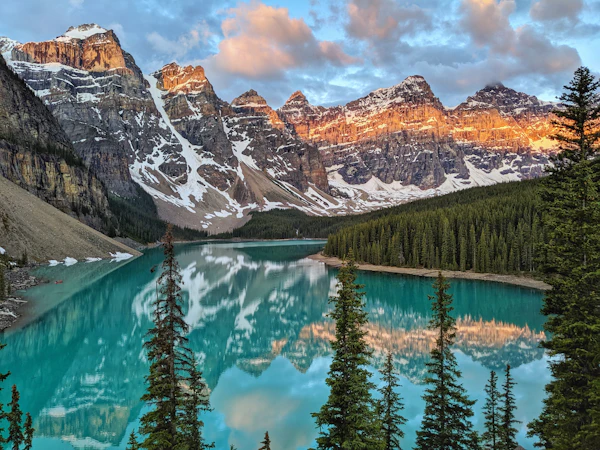
There's a reason Lake Louise is one of the most photographed places in the world — and there's a reason most photos don't do it justice. The turquoise water, the glacier backdrop, the scale of it all — it has to be experienced firsthand.
But visiting Lake Louise in 2026 requires more planning than it used to. Between the Parks Canada reservation system, the shuttle expansion, and the sheer volume of visitors that descend on this small stretch of shoreline every summer, a spontaneous visit isn't what it once was.
This guide covers everything you need to know to make the most of your visit — whether you're coming for a few hours or spending the whole day exploring the surrounding trails, tea houses, and viewpoints.
When to Visit: Timing Is Everything
The summer season runs from mid-June through late September, with peak crowds arriving in July and August. If you have flexibility, the last two weeks of June and the first two weeks of September offer the best balance of weather and solitude.
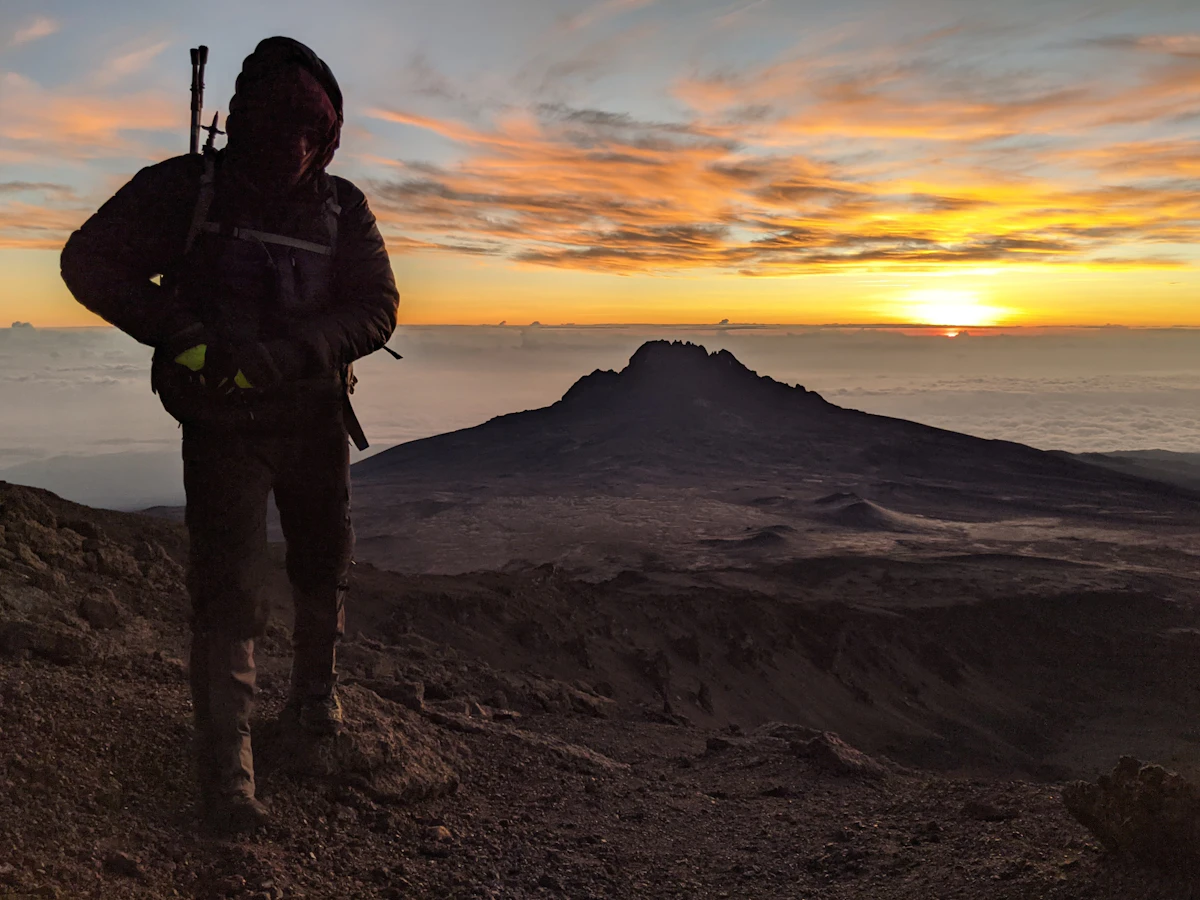
Time of day matters just as much as the month. The parking lot at the lake typically fills by 8:30 AM during peak season. By mid-morning, the lakeshore is shoulder-to-shoulder. But here's the thing most visitors don't realize: sunrise at Lake Louise is an entirely different experience. The water is glass-still, the light is golden, and you might share the shoreline with a handful of people instead of a few thousand.
That's exactly why our Guided Canoe experience departs at 5:30 AM. It's early, but every single guest tells us it was worth it.
Getting There: Parking, Shuttles & Access
Parks Canada has been steadily expanding its shuttle and reservation system, and 2026 brings new routes and increased capacity. The Park and Ride lot at the Lake Louise overflow area connects to the lakeshore via shuttle every 15 minutes during peak hours.
If you're driving, aim to arrive before 7 AM for a realistic shot at the upper parking lot. After that, the overflow lot is your next best option, but even that fills by mid-morning on busy weekends. A Parks Canada vehicle reservation is strongly recommended for July and August — these typically open in early April and sell out within days.
The simplest option? Let someone else handle the logistics. Our guided tours include door-to-door transportation from Banff or Canmore, so you don't have to think about parking, shuttles, or timing at all.
The Top Hikes from Lake Louise

Lake Agnes Tea House
This is the classic Lake Louise hike, and for good reason. The 3.5 km trail climbs 400 metres through subalpine forest to a historic tea house perched on the edge of Lake Agnes. The tea house has been serving hikers since 1901 and offers fresh-baked goods, loose-leaf tea, and one of the best views in the Rockies. Allow 3–4 hours for the round trip, including time to enjoy the tea house.
Plain of Six Glaciers
For a longer adventure, the Plain of Six Glaciers trail follows the north shore of Lake Louise all the way to a second tea house at the base of the Victoria Glacier. At 10.6 km round trip, it's a full day commitment, but the payoff is extraordinary — especially in late summer when the glacier is most visible.
Big Beehive
If you want the best aerial view of Lake Louise, continue past Lake Agnes Tea House to the Big Beehive lookout. The additional 1 km of steep trail rewards you with a panoramic view that puts the scale of the lake into perspective. This is the viewpoint that produces those jaw-dropping photos you see online.
Canoeing on Lake Louise
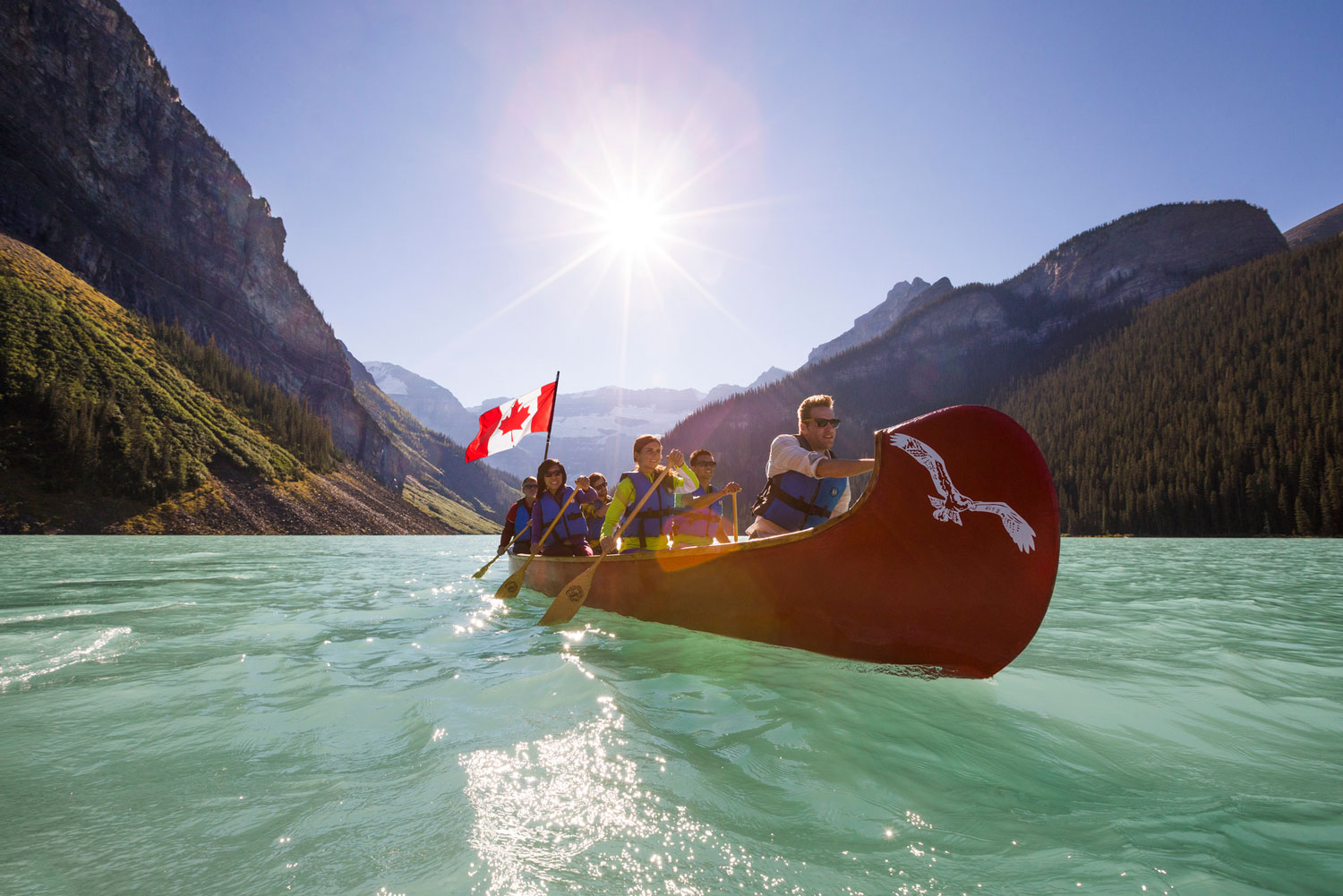
Canoeing is the quintessential Lake Louise experience. The Fairmont operates the canoe dock and rents boats by the hour, but expect long wait times during peak season — sometimes two hours or more. The rental cost is $160 per hour for a canoe that seats three.
Our guided canoe experience offers an alternative: small-group paddling at sunrise, when the lake is calm and the light is spectacular. Rather than waiting in line with hundreds of other visitors, you're on the water before the crowds arrive, with a local guide who knows the lake intimately. Hot drinks and light refreshments are included, and every guest gets unobstructed photos with the Chateau in the background.
What to Bring
Lake Louise sits at 1,731 metres elevation, and temperatures can swing dramatically throughout the day. Even in July, mornings at the lake can be 5–8°C, warming to 20°C by afternoon. Layers are essential. A good approach: base layer, fleece or light jacket, and a packable rain shell.
If you're hiking to the tea houses, bring cash — they don't accept cards. Comfortable hiking boots with ankle support are recommended for the Lake Agnes and Big Beehive trails. And regardless of your plans, sunscreen and sunglasses are a must. The UV intensity at elevation catches people off guard.
Making the Most of Your Visit
The single biggest mistake visitors make is treating Lake Louise as a 30-minute photo stop. Yes, the view from the lakeshore is stunning, but the real magic is in the experiences around the lake — the hikes, the paddling, the tea houses, the wildlife encounters on the trails.
Give yourself at least half a day. Better yet, combine Lake Louise with nearby Moraine Lake (just 15 minutes away) for a full-day experience that covers the two most iconic destinations in Banff National Park. Our sightseeing tour does exactly that, with a local guide, included transportation, and stops at viewpoints that most visitors never find on their own.
However you choose to visit, Lake Louise rewards those who go beyond the parking lot. Get there early, stay longer than you planned, and leave room for the unexpected. That's when the real memories happen.